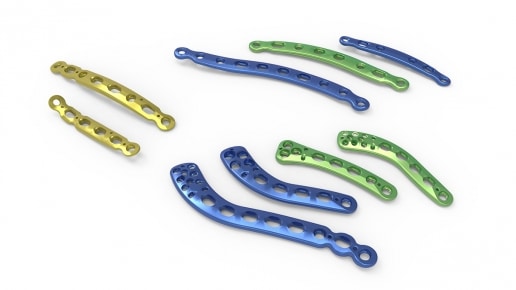
Clavicle fracture
LEARN MOREClavicle fracture
Injury
This fracture is very common especially in young sportsmen, as a result of a fall. The type of fracture is determined by the direction and concentration of forces.
The most frequent fracture is within the middle 3rd of the clavicle and can be caused by both direct or indirect trauma.. The fracture can also occur at the 3rd lateral or medial of the clavicle but is less common.
Causes
Frequent falls on bicycles, motorcycles, or road accidents. Sometimes the fracture is produced by a collision with an opponent. It is also frequent in the accidents at work.
Symptoms
Often at the time of the trauma there is a “crack” noise in the shoulder, severe pain and abnormal movement of the bone stumps. In the case of lateral or medial lesions, the diagnosis is usually radiological.
Treatments
Most clavicle fractures are treated with the application of the so-called “8” bandage or scapular tie rods. Fracture healing occurs faster when the fragments are aligned.
The clavicle heals in about three to four weeks, but if the fragments are very decomposed, immobilization will have to be prolonged.
When the bandage is removed, the bone callus is prominent under the skin, but tends to reduce in adults and can even fully disappear in children.
Surgical treatment is reserved for those cases in which simple immobilization is insufficient and consists in the application of special anatomical plates that allow early mobilization and rapid resumption of sport. The means of synthesis will have to be removed in a second intervention.
.
The first weeks after application of the shoulder brace, the patient can only make minimal movements. Typically, pain will gradually reside in 2-3 weeks and it is possible to return to almost normal life, obviously avoiding some movements and excessive effort.
In cases of surgery, a brace is applied for 3-4 weeks followed by a specific rehabilitation program.
Post-op rehab typically lasts 2-3 months.